Get Roof Waterproofing
Roof waterproofing services help property owners prevent leaks, water damage, and structural issues by sealing and protecting roofs during repairs, restorations, or new installations.
If you’re considering roof waterproofing for your property, you’re in the right place to explore your options. Proper waterproofing can help protect your building from water intrusion, prevent structural damage, and extend the lifespan of your roof. Property owners in the area often look into waterproofing solutions to safeguard their investments, especially in environments prone to heavy rain or moisture. By comparing local contractors, you can find experienced service providers who understand the unique challenges of the local climate and building styles.
Continuing to research and connect with qualified service providers allows property owners to make informed decisions about their waterproofing projects. Whether planning a new installation or seeking repairs, evaluating local options ensures you work with contractors familiar with the area's conditions. Keep reading to discover how local experts can help you achieve a durable, effective waterproofing solution tailored to your property’s needs.
- Flat Roofs - homeowners may need waterproofing services when their flat roofs show signs of leaks or pooling water.
- Commercial Buildings - business property owners often seek waterproofing to protect valuable assets from water damage.
- New Roof Installations - new construction projects may require waterproofing to ensure long-lasting, leak-free roofs.
- Roof Repairs - existing roofs with cracks or damage can benefit from waterproofing to extend their lifespan.
- Roof Replacements - during a roof replacement, local contractors can apply waterproofing to prevent future water intrusion.
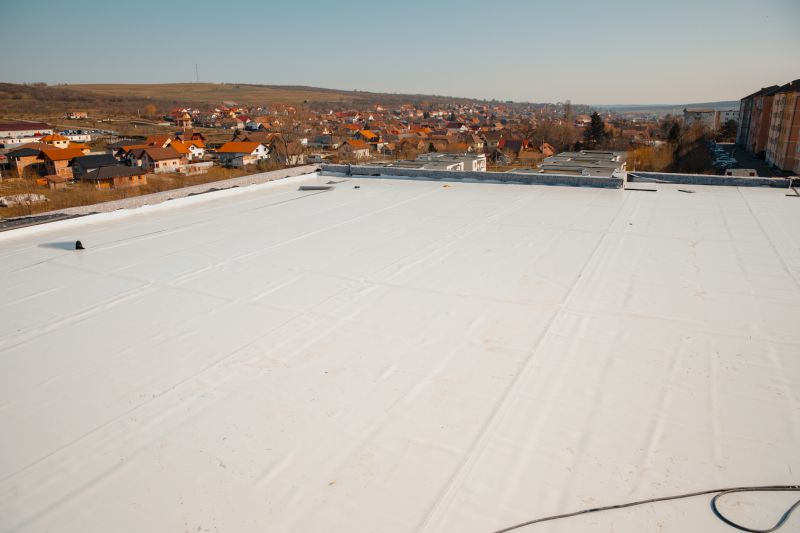
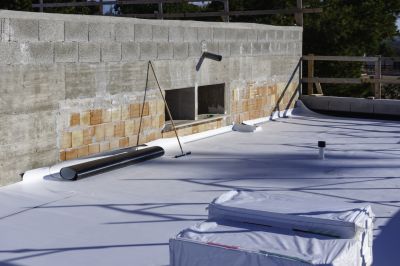
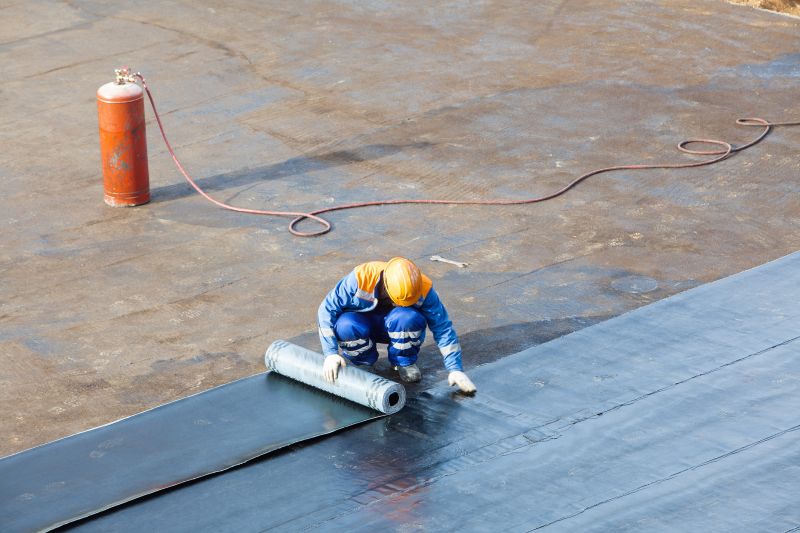
Roof waterproofing services involve applying specialized materials and techniques to create a protective barrier that prevents water from penetrating the roof surface. This process typically includes inspecting the roof for existing damage, cleaning the surface thoroughly, and then applying sealants, membranes, or coatings designed to withstand weather exposure. The goal is to enhance the roof’s resistance to water intrusion, helping to preserve the structural integrity of the property and prevent future issues caused by leaks or moisture buildup.
Waterproofing helps address common problems such as leaks, mold growth, and roof deterioration. Over time, roofs can develop cracks, blisters, or areas where water can seep through due to age, weather damage, or poor installation. Persistent leaks can lead to interior water damage, compromised insulation, and even structural weakening. By investing in waterproofing, property owners can reduce the risk of costly repairs and maintain a dry, safe environment inside the building.
This service is often used on a variety of property types, including residential homes, commercial buildings, and multi-family complexes. Homes with flat or low-sloped roofs are particularly common candidates for waterproofing, as these roof styles are more prone to water pooling and leakage. Commercial properties such as warehouses, retail stores, and office buildings also benefit from waterproofing to protect their investments and ensure ongoing operations without disruption caused by water-related issues.
Homeowners and property managers typically consider roof waterproofing when they notice signs of water infiltration, such as water stains on ceilings, damp walls, or mold growth. It’s also a preventative step for properties in areas with high rainfall or extreme weather conditions. When the roof shows signs of aging or minor damage, waterproofing can serve as an effective way to extend its lifespan and improve overall durability. Local service providers can assess the specific needs of each property and recommend the most suitable waterproofing solutions.
The overview below groups typical Roof Waterproofing projects into broad ranges so you can see how smaller, mid-sized, and larger jobs often compare in your area.
In many markets, a large share of routine jobs stays in the lower and middle ranges, while only a smaller percentage of projects moves into the highest bands when the work is more complex or site conditions are harder than average.
Smaller Repairs - typical costs for minor roof waterproofing repairs range from $250 to $600. Most routine fixes fall within this range, depending on the extent of the damage and roof size. Larger or more complex repairs can sometimes exceed this range.
Partial Waterproofing - projects that involve sealing specific roof sections generally cost between $1,000 and $3,000. Many local contractors handle these jobs within this band, though larger properties or more extensive work may push costs higher.
Full Roof Waterproofing - complete waterproofing of an entire roof usually ranges from $4,000 to $8,000. Many projects fall into this middle range, but larger or more intricate roofs can reach $10,000+ depending on materials and scope.
Roof Replacement - full roof replacement with waterproofing features typically costs $8,000 to $20,000 or more. While most projects land in the lower to mid part of this range, very large or high-end roofs can see costs exceeding $25,000 depending on materials and complexity.
Actual totals will depend on details like access to the work area, the scope of the project, and the materials selected, so use these as general starting points rather than exact figures.
Roof Leak Repairs - professionals skilled in identifying and sealing leaks can apply similar waterproofing techniques to prevent water intrusion in various structures.
Basement Waterproofing - involves planning and applying waterproofing solutions to prevent moisture buildup, sharing skills with roof waterproofing projects.
Balcony and Terrace Waterproofing - requires similar surface preparation and sealing methods to protect outdoor living spaces from water damage.
Bathroom and Shower Waterproofing - involves applying waterproof membranes and sealants comparable to those used in roof waterproofing for moisture control.
Foundation Waterproofing - entails planning and installing barriers to keep water from seeping into building foundations, similar to roof waterproofing strategies.
Exterior Wall Waterproofing - involves surface preparation and sealing techniques that complement those used in protecting roofs from water penetration.
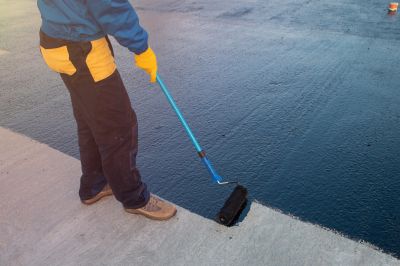
When comparing local contractors for roof waterproofing, it’s important to consider their experience with similar projects. Homeowners should look for service providers who have a proven track record of handling waterproofing jobs on homes with comparable roof types, sizes, and climates. An experienced contractor is more likely to understand the specific challenges involved and provide effective solutions, ensuring the longevity and performance of the waterproofing work.
Clear written expectations are essential when evaluating potential service providers. Homeowners should seek out contractors who can provide detailed descriptions of the scope of work, materials to be used, and any warranties or guarantees offered. Having this information in writing helps prevent misunderstandings and allows for a straightforward comparison of what each local contractor offers, ensuring that the project’s goals are well understood from the outset.
Reputable references and good communication are key indicators of a reliable waterproofing service provider. Homeowners are encouraged to ask for references or examples of past projects similar to their own, and to verify the quality of work and customer satisfaction. Additionally, choosing a local contractor who communicates clearly and promptly can make the entire process smoother, from initial contact through project completion. This helps ensure that questions are answered and concerns addressed effectively, leading to a more confident decision.
Property owners use Roof Waterproofing services for practical projects around their homes and businesses. This guide focuses on everyday jobs and straightforward project options.
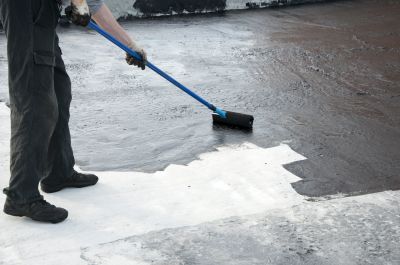
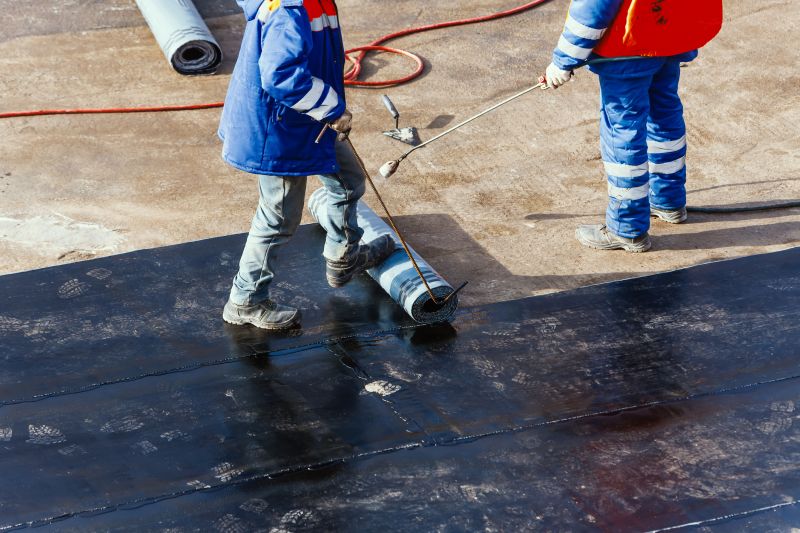
Roof waterproofing services are often needed when property owners notice leaks during heavy rain or after winter snow melts. Many local contractors are called upon to assess and address issues caused by aging roofs, damaged flashing, or cracks that allow water to seep inside. Homeowners and business owners might seek these services to protect their structures from water damage, prevent mold growth, or maintain the integrity of their property’s foundation.
In addition, property owners may turn to local service providers when planning renovations or additions that require extra protection against moisture. Leaks or dampness in attics, ceilings, or walls can signal the need for professional waterproofing solutions. Local contractors can help identify vulnerable areas and recommend appropriate measures to keep buildings dry and secure.
What is roof waterproofing? Roof waterproofing involves applying materials or coatings to a roof surface to prevent water penetration and protect the structure from water damage.
Why should I consider roof waterproofing? Waterproofing can help extend the lifespan of a roof, prevent leaks, and protect interior spaces from water-related issues.
What types of waterproofing methods are available? Common methods include membrane systems, liquid coatings, and sealants, which can be chosen based on the roof type and specific needs.
How do local contractors determine the best waterproofing solution? They assess the roof’s condition, material, and exposure to weather to recommend the most suitable waterproofing approach.
Can roof waterproofing be done on any roof type? Many roof types can be waterproofed, but the suitability of specific methods depends on the roof’s material and condition, which local service providers can evaluate.
Prevent Water Damage - Protect basements and lower levels from leaks and moisture infiltration by ensuring the roof is properly sealed.
Extend Roof Lifespan - Maintain the integrity of the roof surface to reduce wear and avoid costly repairs over time.
Improve Indoor Comfort - Keep indoor spaces dry and free from dampness caused by roof leaks or moisture buildup.
Prepare for Storms - Strengthen the roof’s waterproofing to withstand heavy rain and harsh weather conditions.
If you are thinking about Roof Waterproofing for a property, this guide is meant to help you understand the work, the typical project types, and how different options might fit your plans.
When you are ready, you can use the quote form on this page to share a few details about your project. From there, local pros can review the basics and respond with options that match what you have in mind.